

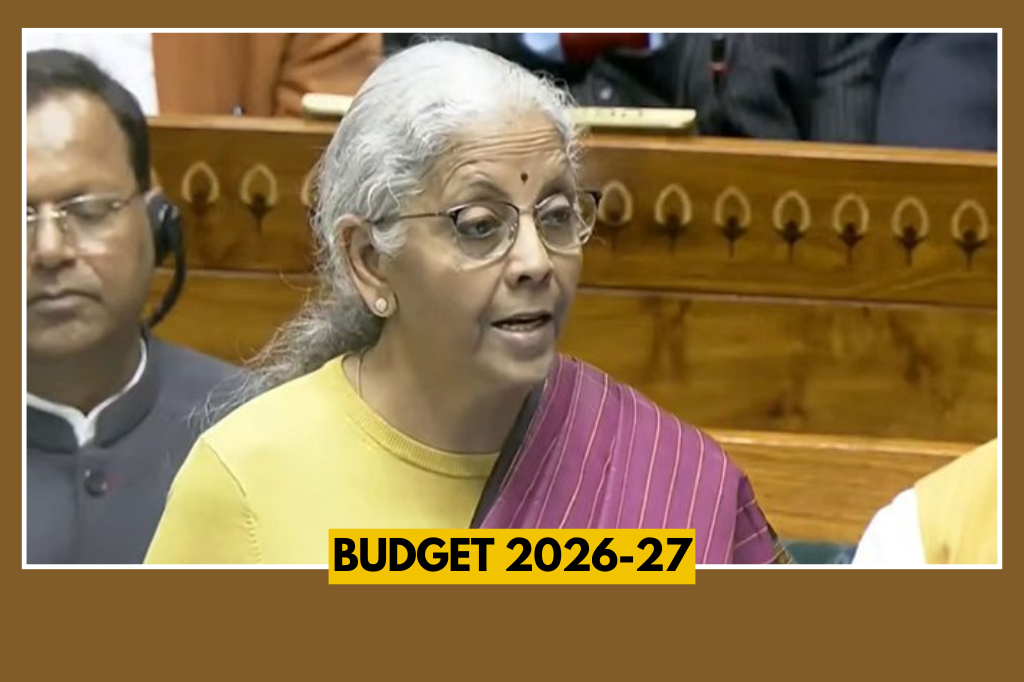
Union Finance Minister Nirmala Sitharaman presented the Union Budget 2026, announcing that the Income Tax Act 2025 will come into effect on April 1, 2026, replacing the six-decade-old 1961 law. She highlighted that the new law is revenue neutral, with no changes in tax rates, and focuses on simplifying direct tax laws, reducing ambiguities, and cutting the volume of text and sections by around 50 per cent.
Several taxpayer-friendly measures were unveiled: the TCS rate on overseas tour packages will drop from 5–20 per cent to 2 per cent, and interest awarded by motor accident claims tribunals to individuals will be exempt from income tax, with no TDS deductions. The Budget introduces flexible ITR filing deadlines: ITR‑1 and ITR‑2 can be filed until July 31, and non-audit business cases and trusts until August 31. Additionally, taxpayers can now file revised ITRs until March 31 with a nominal fee. Minor offences will attract fines only, and non-disclosure of foreign immovable assets under Rs 20 lakh will carry no penalty or prosecution.
The Income Tax Act 2025 also modernizes the tax framework: it eliminates the distinction between the previous year and assessment year, replacing it with a single “tax year” concept. Redesigned forms make compliance easier for ordinary citizens, and a rule-based automated process for small taxpayers will be introduced in FY27. Taxpayers can now claim TDS refunds even if ITRs are filed late, without penal charges, further simplifying the system and reducing scope for litigation.