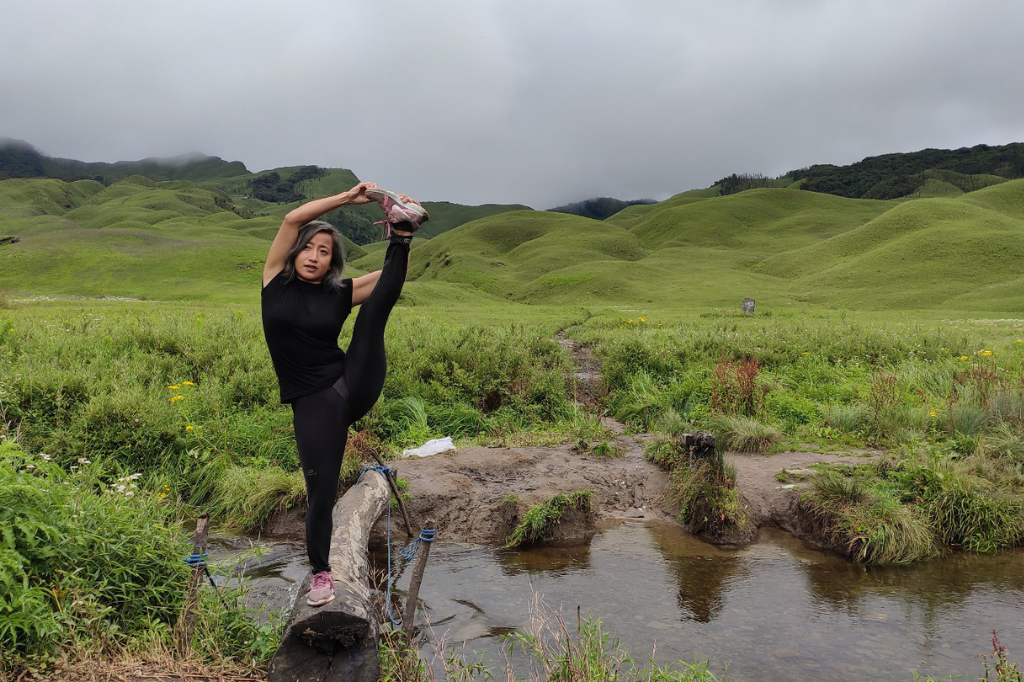


Poonam Gurung has left a mark on India’s OTT audience with Amazon Prime’s ‘The Family Man Season 3’, where she played the role of Ulupi. Set in the intense world of espionage, the latest season added emotional depth to the popular web series, and Poonam’s fierce yet controlled performance stood out. Sharing screen space with Manoj Bajpayee and a talented ensemble cast, she delivered a performance marked by intensity and restraint, earning appreciation from both audiences and critics.
Born in Nagaland, Poonam spent nearly ten years in Nepal before moving to Siliguri, West Bengal. Her multicultural upbringing shaped her adaptability as an actor. Before her OTT breakthrough, she worked across Bengali, Assamese and Malayalam cinema, steadily honing her craft. She received critical appreciation for her role in the Assamese film ‘Suspended Inspector Boro’ and gained attention for her work in short films such as ‘Chinese Whispers’ and the unreleased feature film ‘Uribo’.
Her journey reached an important milestone when she was noticed by Mukesh Chhabra’s casting team, leading to a significant role in her career and paving the way for her as a rising voice of Northeast Indian talent in mainstream Indian entertainment.
In this interview, Poonam talks about her journey from dance to acting, her experience working on ‘The Family Man Season 3’, collaborating with Bajpayee, handling action-heavy scenes and her views on representation and authentic storytelling from the Northeast.
Q. How did your early experiences of moving between Nagaland, Nepal and Siliguri shape you as a person and actor?
A. Every place I’ve lived in has given me stories—stories very close to my heart. Moving so much made me more adaptable and accepting. Learning languages quickly became a big advantage, especially while working on a Marathi film with National Award–winning director Gajendra Ahire, who is known for impromptu scenes. We were often given lines just before the shot, and even as a non-Marathi speaker, I could pick them up quickly because of that adaptability.

Q. What inspired your move to Bollywood, and how did you land your breakthrough role in The Family Man 3?
A. I came to Bombay to learn dance, planning to return home and open a dance school. Life had other plans. I started working as a professional background dancer—you can even spot me in Chittiyaan Kalaiyaan.
One day, a friend pushed me to audition for an episodic show on Channel V called Heroes. I was nervous but went anyway. I got a call back, and once I was on set, I realised I truly loved acting. That moment changed everything, and I began working seriously on my craft.
As for The Family Man 3, it’s been a long journey. Eight or nine years ago, I trained in calisthenics and martial arts and regularly posted videos, hoping someone would notice. Nothing happened for a long time—but someone remembered. When they were casting for Ulupi, Saatvick from Mukesh Chhabra sir’s team called me for an audition. The associate director (ofThe Family Man 3) had already seen my training videos and knew I could handle physically demanding roles. It reminded me of the popular saying: “Agar kisi cheez ko dil se chaho, toh puri kayanat usse tumse milane ki koshish mein lag jaati hai (If you want something with all your heart, the entire universe conspires to help you achieve it).”
Q. How has working across Assamese, Bengali and Malayalam industries shaped your craft?
A.I’m not a formally trained actor—I’ve learned from every project I’ve done. When you’re auditioning day after day in Mumbai, you really need small doses of motivation. For learning, I believe you have to face the camera. The more you do, the more you grow. Regional cinema gave me meaningful characters, space to sharpen my skills, and the motivation to keep going.
Q. Tell us about your preparation for The Family Man Season 3.
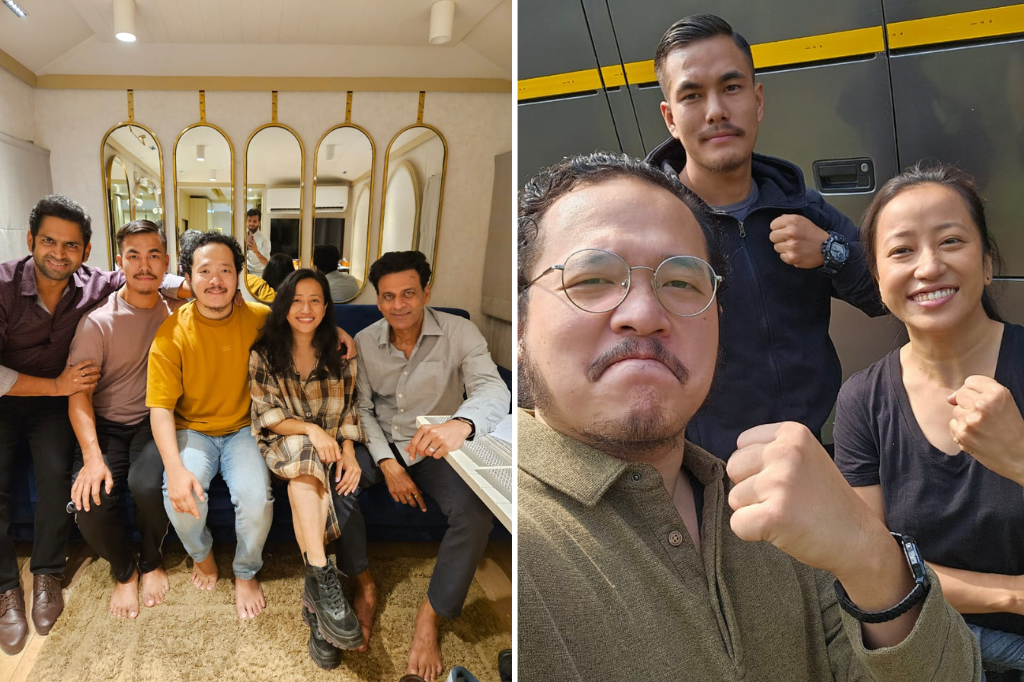
A.For preparation, I knew I couldn’t afford to mess this up—this was an opportunity I’d waited almost a decade for. I’ve been a fan of Raj & DK since Go Goa Gone, so I wanted Ulupi’s inner world to stay alive throughout the shoot. I read Song of the Soil during filming because it explores experiences similar to what Ulupi might have gone through as a child. It helped me stay emotionally connected to her journey.
Q. What was the most challenging scene you shot for The Family Man 3?
A.The underwater hiding sequence—hands down. It turned into a comedy of errors. Before the shot, we were joking around, and DK sir mentioned we’d be shooting underwater next. Everyone started bragging about how long they could hold their breath. Feeling playful, I said I could stay under for a whole minute.
In my head, I thought, I can hold a four-minute plank—this should be easy.
Reality check: I don’t know how to swim.
During the first take, I surfaced in three seconds, gasping for air. DK sir shouted, “Ulupi! You said one minute—you’re not even giving me three seconds!” I was embarrassed but pulled myself together and eventually managed 20 seconds.
Q. What are your thoughts on the Northeast gaining visibility in OTT storytelling?
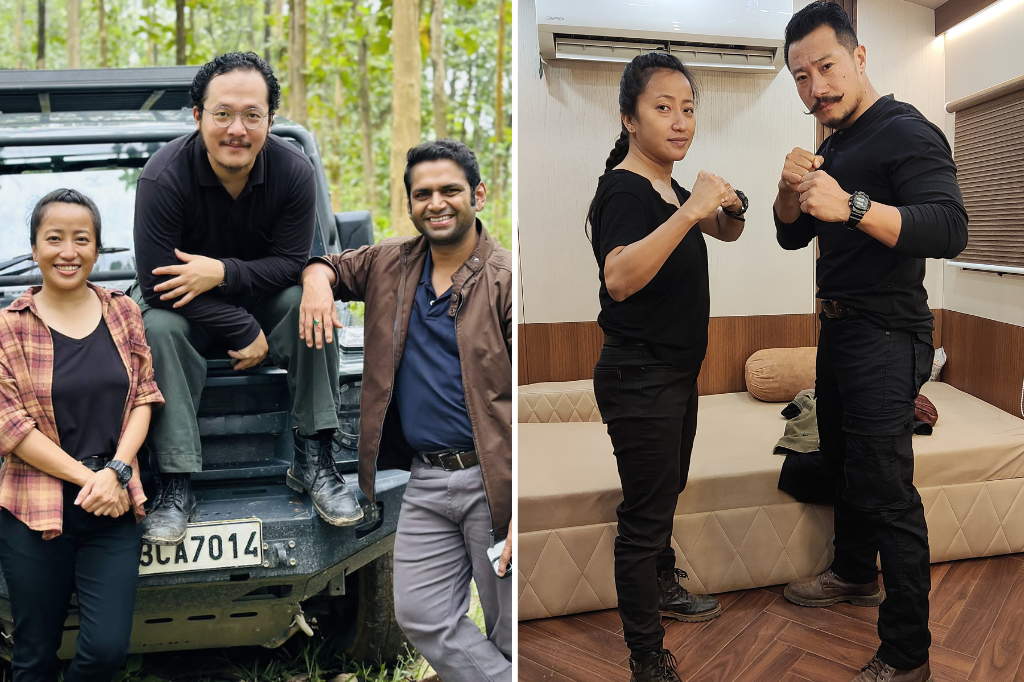
A.There’s definitely growing interest in stories from the Northeast, and more creators are trying to understand the region sincerely. I hope more artists from the Northeast get the recognition they deserve. Even in music, artists like DaiaphiLamare aka Reble (rapper from Meghalaya) are breaking boundaries. I’m hopeful we’ll see more authentic portrayals of the Northeast on national and global platforms—slowly but surely.
Q. What kinds of stories should Northeast filmmakers tell to reach wider audiences?
A.I don’t think I’m the authority to say what stories anyone should tell. Every storyteller is unique, and every voice matters. Any story told with honesty and authenticity naturally carries a region’s culture and perspective. This applies not just to the Northeast, but to storytellers everywhere.
Q. How have dance and martial arts helped you as a performer?
A.They’ve helped me immensely. Dance gave me stamina, flexibility, and reflexes—huge assets for action scenes. Fight choreography is basically dance with counts, just as Jackie Chan describes it. When you’re shooting action all day, stamina becomes everything because every take needs the same energy.
Q. How do short films compare creatively to mainstream films and web series?
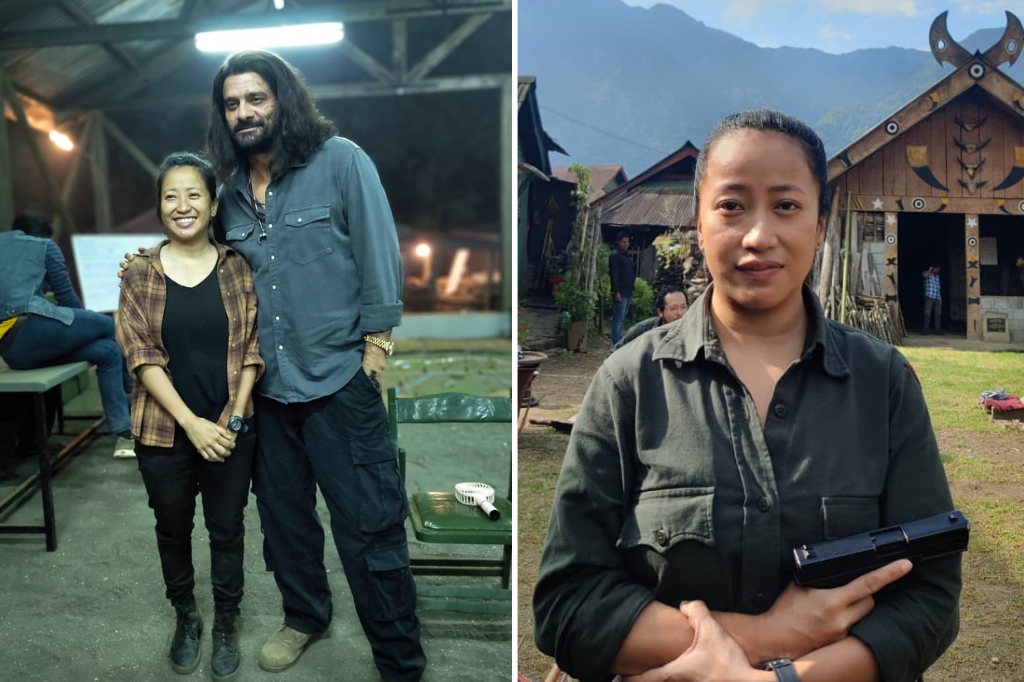
A. Every project teaches you something. I actually feel mainstream films are more challenging than indie films. In indie films, you stay grounded and simply exist as the character. In mainstream cinema, you’re often expected to bring a certain charm. Very few actors—like Irrfan Khan—manage to excel effortlessly in both spaces.
Q. How do you balance acting and other creative pursuits?
A. I do co-run a production house called Monkeyscope Motion Pictures with Kulanandini Mahanta. Right now, I’m juggling acting, writing, singing, and editing. Sometimes I want to focus on just one thing, but I’ve learned the key is doing one thing at a time.
Q. Are there any upcoming projects you’re excited about?
A. I have a new song coming out that I’m really excited about, and I’m also preparing to make a short film.
Q. What advice would you give aspiring actors from the Northeast?
A. Keep working on your craft, believe in yourself, and don’t lose hope. If you stay consistent, you’ll reach where you’re meant to be.